Microsoft Office Online
Sign in to My Office Online (What's this?) | Sign in


Warning: You are viewing this page with an unsupported Web browser. This Web site works best with Microsoft Internet Explorer 6.0 or later, Firefox 1.5, or Netscape Navigator 8.0 or later. Learn more about supported browsers.

Overview
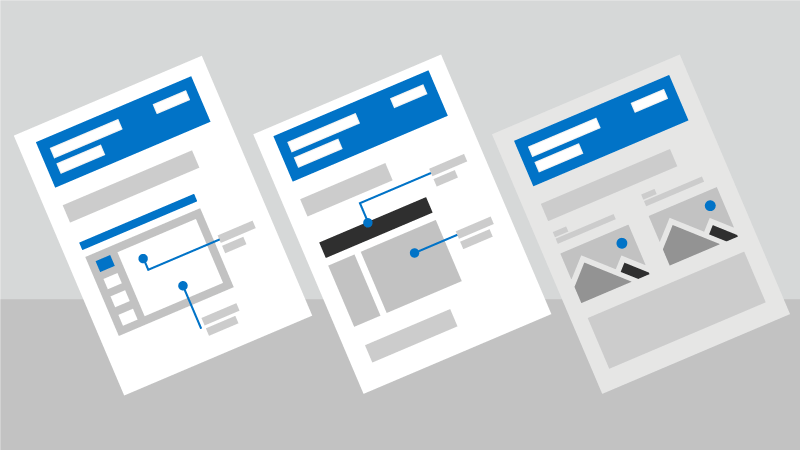
Types of report layouts  

Learn how to create reports. In Access, reports help others understand your data and answer critical business questions.

Don’t have the 2007 Office release? You can download a free 60-day trial or buy it now.

  • Length: 35–40 minutes


GOALS

After completing this course you will be able to:

  • Create tabular reports.
  • Group the data in a report.
  • Create stacked reports.
  • Use Layout view and Design view to change a report.
 
ABOUT THIS COURSE

This course includes:

  • One self-paced lesson and one practice session for hands-on experience. The practice requires Access 2007.
  • A short test at the end of the lesson; the test is not scored.
  • A Quick Reference Card you can take away from the course.
AUDIO TEXT

This is the final course in a series of six that helps you learn Access from the ground up by creating an asset-tracking database. Previous courses in this series showed you how to plan and build tables and relationships, and how to create queries and forms. Now it's time to give your data meaning and put it to use in a report.

Why reports? Because they present complex data in a way that others can understand quickly and easily. For example, you can see what you spent on computers last year, with just a glance. A well designed report can let you see what's going right and what's going wrong, and help you make better decisions for your business — even if you're just managing the furniture in your house.

This course explains the basics of reports, and shows you how to create several different types. If you've taken the other courses in this series, then congratulations: You're about to complete the series! And yes, this course builds on the others while assuming you're a beginner.

To learn more about this course, read the text in Goals and About this course, or look at the table of contents. Then click Next to start the first lesson.

 
BEFORE YOU BEGIN
  Go to previous page (disabled)    Next Go to next page
advertisement