Microsoft Office Online
Sign in to My Office Online (What's this?) | Sign in


Warning: You are viewing this page with an unsupported Web browser. This Web site works best with Microsoft Internet Explorer 6.0 or later, Firefox 1.5, or Netscape Navigator 8.0 or later. Learn more about supported browsers.

Overview
Motion paths on a slide  

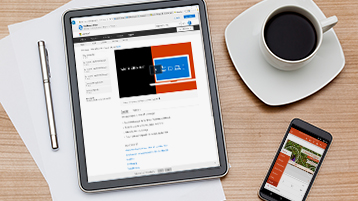
Expand your animation horizons in Microsoft® PowerPoint® with motion path effects. Discover types of paths from preset lines, curves, and shapes to custom paths that let you scribble freely. You'll learn good uses for paths, how to edit them, and about options and tricks available for them.

  • Length: 40–50 minutes


GOALS

After completing this course, you will be able to:

  • Discover uses for motion paths and apply both preset and custom types.
  • Use paths to move text around on a slide and create a custom entrance effect.
  • Become skilled at manipulating and editing paths on your slides.
  • Know about options and tricks you can use with paths.
 
ABOUT THIS COURSE

This course includes:

  • Three self-paced lessons and three practice sessions for hands-on experience, plus a bonus practice that includes sample slides.
  • A short test at the end of each lesson; tests are not scored.
  • A Quick Reference Card you can take away from the course.
COURSE TEXT

A motion path is an invisible track you lay on your slide for an item like a picture, line of text, or shape to run along. For example, you can move text from one place on your slide to another; create a hand-drawn entrance or exit for a piece of art; or lay a path that an arrow could follow at crucial points in your narrative, to show a process.

In this course you'll try a range of paths and get guidance on how to position, size, and edit them. Last, you'll explore what certain path options do, and you'll see extra sample slides with path examples.

For more details, read the overview in the center of this page or the detailed table of contents in the left column.

Click the Next button to start the first lesson.

 
BEFORE YOU BEGIN

You should take Animations I: Preset and custom animation.

Or: You should be familiar with applying custom effects such as entrance, exit, and emphasis effects using the Custom Animation task pane and its primary options.

  Go to previous page (disabled)    Next Go to next page
advertisement