Microsoft Office Online
Sign in to My Office Online (What's this?) | Sign in


Warning: You are viewing this page with an unsupported Web browser. This Web site works best with Microsoft Internet Explorer 6.0 or later, Firefox 1.5, or Netscape Navigator 8.0 or later. Learn more about supported browsers.

Bookmark and ShareShare
Overview
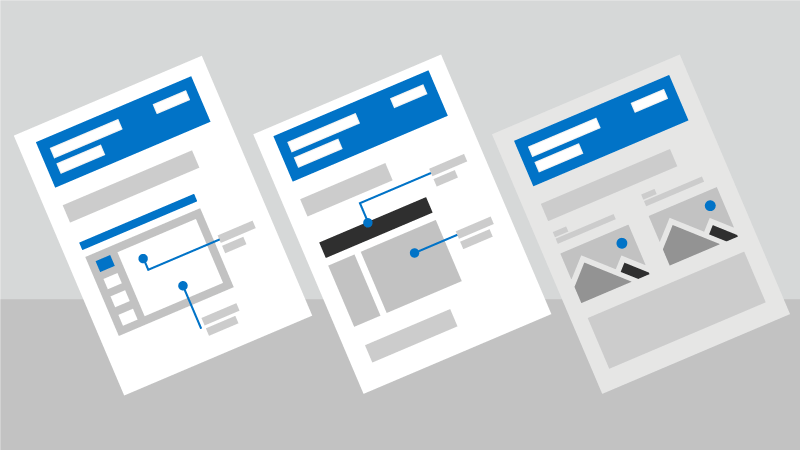
Course overview image  

By Stephanie Krieger, Document Production Expert

Tables are a powerful tool that can help you organize and format complex documents with very little work. In this course, the second in a series of three, you will learn key best practices for managing tables effectively, as well as how to use tables with confidence to simplify most any page layout.

  • Length: 40–50 minutes


GOALS

After completing this course you will be able to:

  • Edit and troubleshoot tables more easily.
  • Use tables to quickly create complex page layouts.
  • Create one table inside another (nest tables) for flexible, easy-to-manage page layouts.
 
ABOUT THIS COURSE

This course includes:

  • Three self-paced lessons and three practice sessions for hands-on experience.
  • A short test at the end of each lesson; tests are not scored.
  • A Quick Reference Card you can take away from the course.

About the author


Stephanie Krieger is a professional consultant who specializes in creating solutions with the Microsoft Office System. Stephanie is the author of the recently released book, "Microsoft Office Document Designer." She publishes a blog — where you can also find Office tips.

COURSE TEXT

You can create a basic table, edit its structure, and format its content. But what about the complex tables you need to contend with in real life, such as the mangled tables you inherit from other people’s documents? And, how can you use tables to simplify your work on any complex document? If you want to manage tables more easily or want a better way to simplify intricate page layouts, you’ve come to the right place.

In this course, you will learn how to make quick work of some key advanced table tasks, and get timesaving tips throughout.

To learn more about this course, read the overview in the center of this page or the table of contents in the left column.

When you're done reading this page, click Next to start the first lesson.

 
BEFORE YOU BEGIN

To learn how to create, format, or edit basic tables, take Tables I: Create and format basic tables before continuing here.

If you are already a table power user looking for help with tables that originate in Excel or on the Web, or want tips specifically for formatting financial tables in Word, take Tables III: Manage financial tables and tables from Excel and the Web.

  Go to previous page (disabled)    Next Go to next page
advertisement